Service Guide to choosing the right pest control company
Service Guide to choosing the right pest control company
Blog Article
Tested Pest Control Answers: Maintain Your Home Free of Pests
Effective pest control approaches are vital for maintaining a pleasant living space. Homeowners face multiple problems from typical pest issues, which can interrupt daily life. Identifying the signs of infestation is the first step in addressing these problems. While organic approaches have become increasingly popular, understanding the full spectrum of management strategies is necessary. This exploration presents important inquiries about the equilibrium between do-it-yourself approaches and when to seek expert help. What tactics will turn out to be most effective?
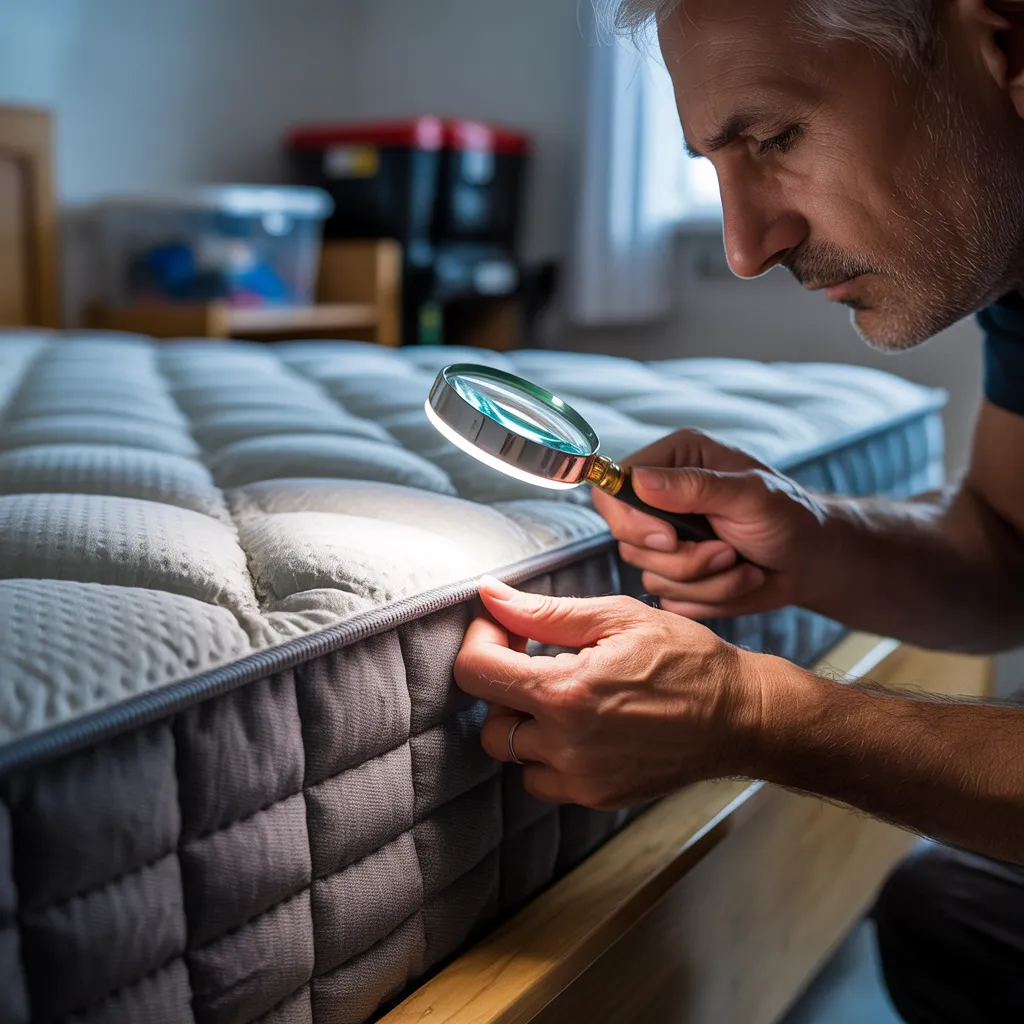
Common Domestic Pest Issues and Proven Pest Control
When homeowners encounter uninvited pests in their homes, they often seek instant methods for common pests. Ants, cockroaches, and rodents are often found among these creatures. Ants generally invade kitchens looking for food, and cockroaches survive in warm, dark environments. Rodents, at the same time, can cause structural damage and create health risks.
Efficient pest management commences with detection and avoidance. Homeowners are encouraged to seal entry points, maintain cleanliness, and remove available food. Poison traps and chemical solutions can be utilized for targeted pest issues, though caution is advised to guarantee safety for children and pets. In severe cases, specialist extermination firms may be vital to execute thorough eradication methods. Understanding the nature of these pests and employing precise tactics fosters a healthier living environment and mitigates upcoming pest outbreaks.
Recognize Signs of Infestation
Recognizing indicators of pest presence is essential for successful pest control. Common indicators include unusual noises, peculiar odors, and observable waste or deterioration to property. Detecting these symptoms early can help prevent a minor issue from developing into a major problem.
Abundant Insect Signals
How can one recognize the subtle signs of a pest infestation? Recognizing common pest indicators is crucial for early intervention. Tiny feces, often looking like grains of rice or coffee grounds, can indicate the existence of rodents or insects. Furthermore, chewed items, such as wires or wood, signal gnawing creatures like rats or termites. Strange markings on walls or furniture, including smudge marks or scratches, could indicate insect activity. Additionally, webbing or nesting materials found in hidden corners frequently suggest infestations. Property owners should also be vigilant for discarded wings or shed skins, which are common with certain insects. Through recognizing these signs, homeowners can implement preventive steps to maintain a space free from pests.
Unusual Noises and Odors
Unusual noises and smells can be important indicators of a pest infestation. Homeowners may hear scraping, scuttling, or chewing sounds, particularly at night when pests are most active. These sounds often signal the presence of rodents, such as mice or rats, which tend to inhabit walls, attics, or basements. Additionally, certain smells can suggest an infestation. A musty or pungent odor may indicate a buildup of droppings or urine, while a unpleasant, rotting scent could suggest the presence of dead pests. Recognizing these auditory and smell signs is essential for early detection. Prompt attention to unusual noises and odors can help homeowners take action before a minor issue develops into a more significant pest problem.
Visible Droppings or Harm
Evident droppings and structural damage serve as key warning signs of pest invasion. Residents must remain vigilant when noticing such clues, since they differ markedly between species. Rodent droppings, as an illustration, measure small, dark-colored, and pellet-shaped, ordinarily found in remote locations or near food supplies. In contrast, bug droppings may look like microscopic see here dust or particles, depending on what type of insect. Structural deterioration can manifest as chewed wires, as gnawed furniture, or as holes in walls. Evidence like this not only points to the residence of pests and emphasizes possible health risks to personal wellness and one's home. Early detection of these signs becomes essential for successful treatment and prevention strategies, ensuring a healthy household and pest-free home.
Essential Chemical-Free Pest Control Methods
Although numerous homeowners pursue chemical solutions for insect management, excellent natural methods offer solid options that remain both environmentally responsible and safe. Essential oils, like peppermint and lavender, can deter multiple pests thanks to their strong scents. Diatomaceous earth operates as a natural insecticide, moisture-removing pests on contact. Furthermore, vinegar proves to be a multipurpose tool, successfully deterring ants and spiders when applied as a spray.
Homemade traps, like bait-filled containers for fruit flies, can also prove effective. Incorporating beneficial insects, such as ladybugs and lacewings, helps control pest populations without injuring the ecosystem. Moreover, consistent upkeep and appropriate pantry care deter unwanted guests by eliminating attractants. Cultivating herbs like basil and rosemary around the home can also function as organic deterrents. By integrating these methods, homeowners can sustain a clean home while promoting a healthier living space.
Discovering Synthetic Pest Control Options
Chemical pest control options deliver a range of chemical pest agents formulated to address specific pests successfully. Grasping these diverse chemical compositions is vital for proper implementation and decreasing environmental impact. Moreover, maintaining safety guidelines is necessary to assure the well-being of both users and adjacent natural habitats.
Chemical Pesticide Classifications
Pesticides fulfill an essential role in contemporary agriculture and pest management, providing a variety of solutions designed to target specific pests effectively. There are several types of chemical pesticides, including insecticides, which manage insect populations; herbicides, which eliminate unwanted plants; and fungicides, used to fight fungal infections. Additionally, rodenticides are formulated to remove rodents, while nematicides focus on parasitic worms. Each category contains various active ingredients, enabling for tailored approaches based on the pest type and infestation level. Systemic pesticides are absorbed by plants, providing internal protection, while contact pesticides act on contact with the pest. Comprehending these classifications aids in choosing the most appropriate pesticide for effective and efficient pest control.
Safety Procedures To Evaluate
When performing pest control, it is essential to stress security protocols to reduce potential risks connected with chemical applications. Homeowners should always adhere to label instructions precisely, confirming proper dosage and application methods. Personal protective equipment (PPE) such as gloves, masks, and goggles is vital to protect from chemical exposure. It is prudent to keep children and pets away from treated areas until the chemicals have dried and the space has been refreshed. Additionally, storing pesticides in a locked location can prevent accidental ingestion. Finally, evaluating environmentally friendly alternatives can cut down health risks while still adequately handling pest problems. Implementing these precautions provides a safer environment while conducting necessary pest control measures.
Implement do-it-yourself pest management Tips
Implementing DIY pest management tips empowers homeowners to address pest problems effectively and cost-effectively. Simple solutions often utilize common household items, making them accessible and affordable. For instance, a combination of vinegar and water can repel ants, while baking soda and sugar can attract and eliminate cockroaches.
Keeping your space tidy is crucial; storing food in sealed containers and immediately tackling spills discourage pest problems. Homeowners can also build protection by closing cracks and gaps around doors and windows. Natural oils such as peppermint and tea tree oil act as organic repellents, providing a fragrant choice to synthetic pesticides.
Consistent home inspections for pest presence enable quick response, stopping larger infestations. Traps and bait stations should be carefully positioned in frequently used zones to monitor and control pest populations. Through embracing these DIY strategies, homeowners can maintain a pest-free home while fostering a sense of control and responsibility in their living spaces.
When should you seek professional assistance?
Homeowners may find that despite their best efforts with DIY pest control methods, some invasions require professional intervention. Signs indicating the need for expert help include ongoing pest problems, large infestations, or the presence of pests that pose health risks, such as rodents or termites. If initial solutions fail to yield results, it may be time to contact professionals who have specialized knowledge and tools.
In addition, specific circumstances necessitate immediate expert assistance. These encompass the finding of nests in inaccessible areas, likely structural harm caused by pests, or when confronting risky insects, like wasps. Homeowners should also evaluate professional support if they lack the time or resources to address the situation effectively. Ultimately, retaining a pest control expert can ensure a thorough assessment and a strategic strategy, delivering peace of mind and a pest-free environment.
Frequently Posed Questions
How Can I Stop Pests From Entering My Home?
To prevent insects from getting into a home, one should seal cracks, place protective barriers on windows, keep areas clean, keep food secured, and frequently check for evidence of pests. These steps significantly decrease the chance of unwanted visitors.
What pest management options are secure for Petsafe?
Indeed, safe for pet pest control options are obtainable. Natural deterrents, aromatic oils, and traps created for application in areas with pets can effectively deter pests while avoiding harming animals. Always look at item descriptions for protective instructions.
What Charges Come With Pest Control Services?
Charges for pest control solutions span considerably, typically ranging from $100 to $300 for initial services. Ongoing maintenance plans may cost $40 to $70 per month, depending on the severity of the pest issue and service frequency.
What duration Can You count on From Pest Control Treatment?
The duration of pest control service typically spans from several weeks to several months, depending on the pest classification and the strategy utilized. Regular follow-ups may be vital to keep results consistent and avoid future infestations.
Can Insects Come Back After Treatment, and How Can I Prevent That?
Pests might come back after treatment if not properly managed. Prevention strategies include sealing entry points, upholding cleanliness, and regular inspections. These actions help decrease the likelihood of secondary infestations and maintain a protected environment.
Report this page